Understanding CBRN Threats
Experts recently sounded the alarm about the frightening possibility of a biological attack. Their analysis warns that the threat of a biological assault or accidental release in the U.S. is at an all-time high. Such an incident would harm not only public health but also the nation’s agriculture and economy. Our adversaries are reportedly prepared to deploy biological weapons against the United States. The rising number of laboratories and scientific experiments worldwide raises the chances of both deliberate and accidental biological crises. Policymakers in Washington must coordinate efforts between private industry and government agencies to ensure the nation has the resources and defenses to respond effectively to any CBRN emergency.
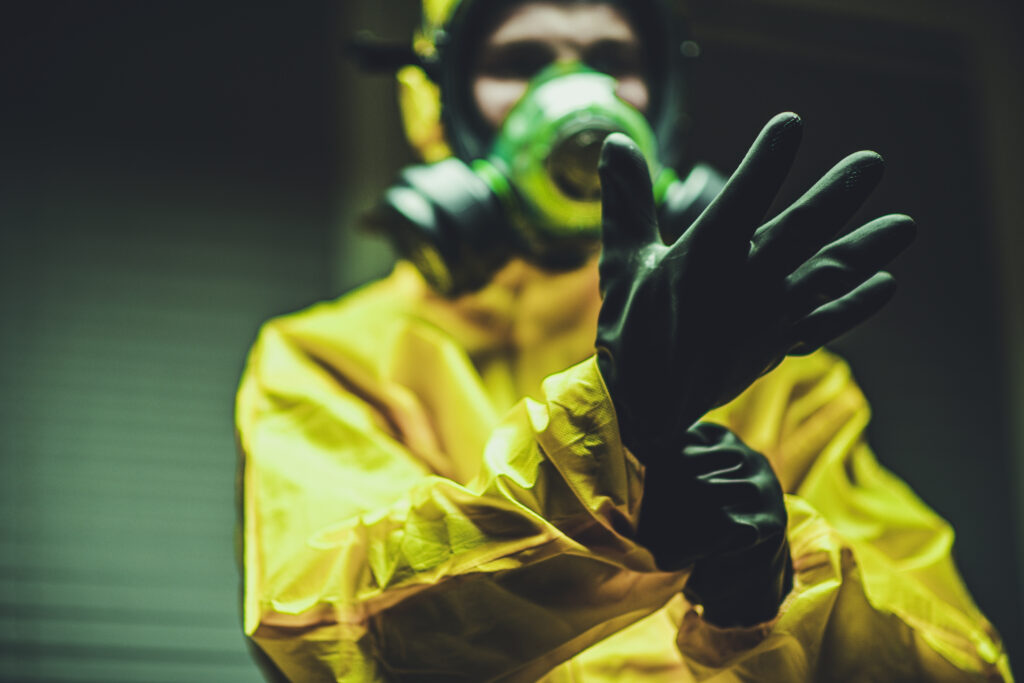
CBRN threats can enter through skin contact or inhalation and affect the mind and body. They can cause immediate injury and long-term damage to humans. Chemical agents include nerve, blistering, blood, and choking agents. They also include incapacitants, industrial chemicals, and illicit pharmaceuticals. Biological agents include live agents (bacteria, viruses) and toxins.
CBRN threats require an intense and extensive medical, emergency, and military response. This response burdens the U.S. healthcare system, healthcare workers, and emergency first responders.
The Importance of the Strategic National Stockpile at HHS
The Administration for Strategic Preparedness and Response (ASPR) at HHS houses the Center for the Strategic National Stockpile (SNS). ASPR characterizes the Strategic National Stockpile as a key element of the national system for medical response that can provide extra countermeasures to states, tribal nations, territories, and major cities during public health crises. The medicines, supplies, and medical devices in the stockpile act as temporary backup when needed materials are unavailable or in short supply. ASPR also notes that the SNS staff work continuously to be prepared to act in an emergency, assist with state and local readiness efforts, and maintain access to vital medical resources needed to safeguard Americans’ health.
A Weak Stockpile
The evidence shows the U.S. isn’t prepared for a CBRN disaster or attack. The Strategic National Stockpile (SNS) doesn’t have enough funding, and the U.S. isn’t ready for a massive operation to distribute countermeasure,” per a 2024 report. Communities across the country don’t face requirements to stock up in case of CBRN emergency. These vulnerabilities could critically undermine our level of preparedness in an emergency. A 2023 report found that the relatively slow development and acquisition process for some medical countermeasures prevents the SNS from being a nimble, ready operation.

A Vulnerable America
The U.S. isn’t equipped for a CBRN threat without serious commitment to investing in the tools to protect Americans. Our enemies no longer need to attack us in massive urban areas. Small cities and rural towns home to millions of Americans are a vulnerable target for our enemies. These areas are unprepared for a CBRN threat.
Based on survey data from local health departments, roughly half of departments surveyed failed to engage in any preparedness or response efforts for chemical, biological, radiological, and nuclear threats during 2021. Just over one-third undertook planning activities for such scenarios, while only a small fraction participated in training exercises (14%) or dealt with real emergencies (3%). Research from Texas A&M University in 2025 revealed that rural populations have lower rates of emergency planning and reduced concern about the potential increase in disaster frequency or intensity.
Expert assessments indicate that rural communities face significant challenges in preparing for and managing CBRN incidents due to constrained resources and capabilities. Laboratory facilities in rural settings typically lack the specialized equipment and expertise needed to process samples associated with bioterrorism incidents, making them particularly vulnerable to being overwhelmed during large-scale attacks, according to the Rural Health Information Hub. Financial constraints and tight budgets create obstacles for rural communities and critical access hospitals attempting to conduct testing, staff training, and disaster preparedness drills, per the National Rural Health Association.
How We Ensure Preparedness
Fortunately, the right tools are available to defend Americans against the harms of CBRN threats and secure a stockpile for nuclear emergency. There are antidotes and vaccines to protect against and treat threats like anthrax, smallpox, and nerve agents.
We must reauthorize the Pandemic and All-Hazards Preparedness Act (PAHPA) and ensure robust funding for the Administration for Strategic Preparedness and Response (ASPR), the Biomedical Advanced Research and Development Authority (BARDA), and the Strategic National Stockpile (SNS). These measures will help ensure the entire country is ready when CBRN disaster or terror strikes.